
Why Is My Air Conditioner Not Cooling the House? [Updated for 2026]
When Calgary heats up, you expect your air conditioner to keep rooms comfortable and the air feeling fresh. If your AC is running but the house still feels warm, it is easy to jump to worst-case conclusions. In reality, many “not cooling” problems stem from airflow issues, thermostat setup, or an outdoor unit that cannot properly release heat. This FAQ starts with safe, practical checks you can do yourself, then clearly flags the issues that require a licensed technician. You will also see how cooling problems can affect indoor air quality, because low airflow often means less filtration and more humidity lingering indoors.
How Is My Air Conditioner Supposed To Cool The House?
A central air conditioner removes heat from indoor air and releases that heat outdoors. Warm air is pulled through your return grille, passes over the indoor coil, and is then delivered back through your vents. The outdoor unit helps reject heat outside. If airflow is restricted, the system cannot move enough air across the coil. If the outdoor unit is blocked or dirty, the system may struggle to release heat. Either way, cooling gets weaker, run times get longer, and some rooms may never reach the set temperature.
What Should I Check First If My AC Is Not Cooling?
Start with the simplest checks first, as they often resolve many cooling calls quickly.
Homeowner OK quick checks:
- Thermostat is set to Cool (not Off, Heat, or Fan Only)
- Fan setting is Auto (not On)
- The temperature setpoint is 2–3°C below the current indoor temperature
- The breaker is on, and the outdoor disconnect has not been switched off
- Supply vents are open and not blocked by rugs or furniture
- The main return grille is not blocked
If the outdoor unit still won’t turn on after you confirm the settings and power, it is time to book professional HVAC help.
Why Does My AC Run But The House Still Feels Warm?
If the system runs but cooling is weak, airflow is the most common culprit. Low airflow can make your home feel warmer and can also reduce how well the system filters air. It may also make the home feel more humid, which can feel uncomfortable even if the temperature drops a little.
What Are The Most Common Airflow Problems?
- A clogged air filter
- A blocked return grille
- Too many closed vents
- A dirty indoor coil (pro-only to access and clean)
- A blower or control issue (pro-only diagnosis)
If you want one place to start, start with the filter.
Can A Dirty Filter Really Stop My AC From Cooling Properly?
Yes. A dirty filter can restrict airflow so much that rooms feel warm and vents feel weak. It can also contribute to issues like icing on the indoor coil in some situations.
Homeowner OK:
- Check the filter and replace it if it is visibly dirty
- If you use a reusable filter, clean it and let it dry completely before reinstalling
- Recheck every 30 days during heavy-use months, then adjust based on how quickly it loads
If you replace the filter and airflow is still weak, the issue may be deeper than the filter, and a technician should inspect the system.
Could The Outdoor Unit Being Dirty Or Blocked Reduce Cooling?
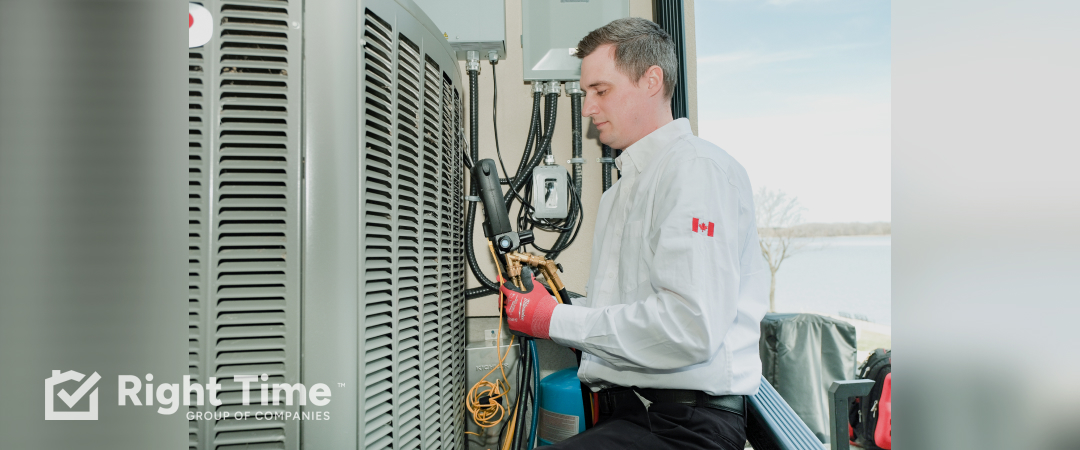
Yes. The outdoor unit needs clear airflow to release heat. If it is clogged with cottonwood fluff, leaves, or grass clippings, cooling can drop, and the unit can run longer than normal.
Homeowner OK (turn power off at the outdoor disconnect first):
- Clear debris around the unit
- Keep space around the sides so air can move freel
- Use a gentle hose rinse on the outside of the coil (no pressure washer)
Stop and call a professional if you see damaged fins, hear loud grinding noises, or the breaker trips repeatedly.
What Red Flags Mean I Should Stop DIY And Call A Technician Immediately?
Some symptoms indicate issues that should be addressed by a licensed professional.
Call for service if you notice:
- Ice buildup on the indoor coil or refrigerant lines
- Short cycling (turning on and off repeatedly)
- Burning smell, electrical smell, or visible smoke
- Hissing sounds near the equipment
- Repeated breaker trips
- The outdoor unit hums, but the fan does not spin
If you see icing, turn the system off and let it thaw. Running an iced system can lead to more damage. Refrigerant work and electrical diagnosis are not homeowner tasks.
Can Duct Leaks Make My House Feel Warm Even If The AC Is Running?
They can. Central AC relies on ductwork to deliver cooled air to rooms. If ductwork leaks, disconnects, or is poorly balanced, cool air can be lost before it reaches the spaces you want to cool. This often shows up as hot upstairs bedrooms, a warm bonus room, or an area that never seems to cool down.
Homeowner OK:
- In unfinished areas, look for obvious disconnections or crushed flexible duct
- Make sure supply vents are open and not covered
Pro-only:
- Duct sealing, balancing, static pressure testing, and any duct modifications
When Is “Not Cooling” A Sign I Should Repair Or Replace The Air Conditioner?
Not every cooling issue means replacement. Many problems are repairable, especially when caught early. It may be time to discuss replacement planning if:
- Repairs are becoming frequent, especially in early summer
- The system short-cycles repeatedly, even after maintenance
- Cooling is uneven and keeps returning after service
- You are facing a major component repair, and the system is older
A technician can help compare repair versus replacement based on the specific fault, overall system condition, and whether airflow or duct issues are contributing.
How Does AC Performance Affect Indoor Air Quality And Humidity?
Cooling and air quality are linked because airflow drives filtration. When airflow is weak, dust settles faster, and odours linger. Cooling problems can also leave a home feeling muggy. Health Canada recommends keeping indoor humidity in a practical range, commonly 30–50%, to help reduce moisture and mould risk and support comfort.
If your home feels consistently dry or consistently humid, talk to a professional to find out what is driving it. Sometimes it is as simple as improving airflow and maintenance. In other cases, a whole-home humidifier or targeted air quality solution may make sense, depending on your home and your HVAC setup.
What Are The Best Air Conditioning Maintenance Checks To Prevent “Not Cooling” Problems?
A simple maintenance routine prevents many common “no cooling” situations and supports more consistent airflow.
What Maintenance Can I Do Myself?
- Replace or clean the air filter on a regular schedule
- Keep the outdoor unit clear of debris (power off first)
- Keep return grilles and vents unobstructed
- Watch for unusual noises, odours, or water pooling near the indoor unit
- If cooling feels weaker than last season, book service early instead of waiting for a heat wave
What Maintenance Should A Technician Handle?
- Coil cleaning that requires opening panels
- Refrigerant diagnostics and leak testing
- Electrical and control troubleshooting
- Airflow testing, static pressure measurement, and duct balancing
If you want fewer surprises during peak summer weeks, a seasonal inspection can catch airflow, performance, and wear issues early.
What Is A Simple 10-Minute Checklist Before I Book Service?
- Thermostat: Cool, fan Auto, setpoint 2–3°C lower
- Filter: Replace if dirty
- Airflow: Clear return grille, keep vents open
- Outdoor Unit: Power off, clear debris, gentle rinse
- Red Flags: Ice, burning smell, short cycling, breaker trips
If red flags show up, shut the system off and book professional service.
One Soft Next Step If Your AC Still Is Not Cooling
If your checks do not restore steady cooling, the safest next step is to schedule a professional diagnosis. If you want a more predictable routine, ask about Knight Plumbing’s Maintenance Plans at booking so your system is checked before the hottest stretch.